Intelligent commercial execution: the key shift in 2026
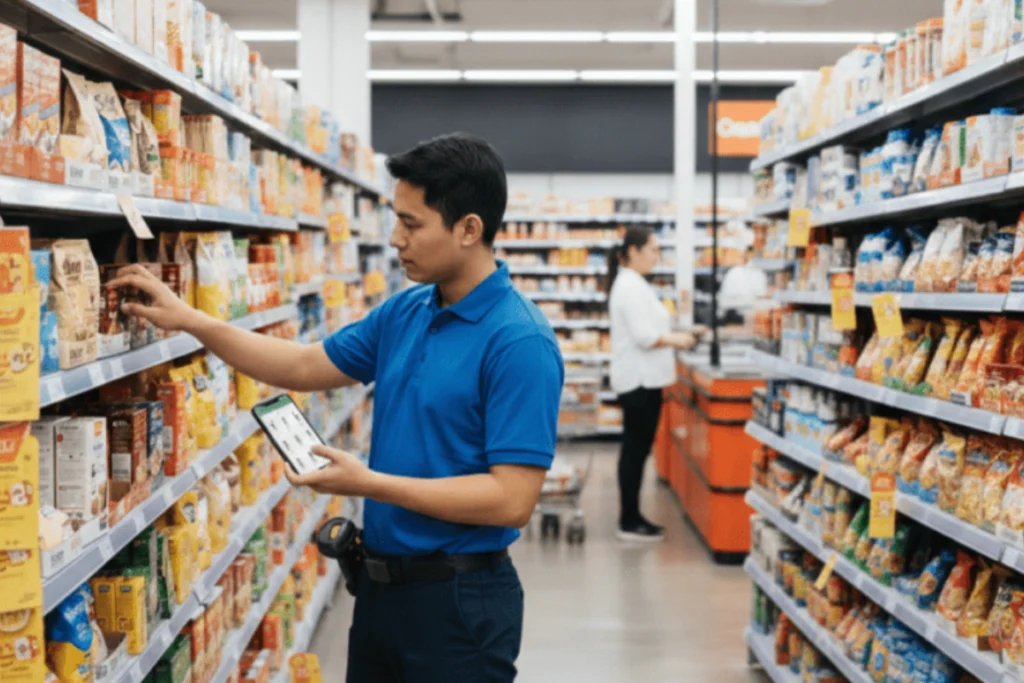
How to Boost Your Sales with Big Data in 2025 Smart sales execution will be key in 2026 for consumer goods companies. Discover how to turn data, analytics, and AI into real action at the point of sale. Subscribe January 19, 2026 Smart commercial execution will be one of the main factors that set consumer goods companies apart in 2026. For years, companies have invested in data and dashboards, but today the challenge is no longer about reporting—it’s about executing better and faster at the point of sale. Smart commercial execution is no longer just a buzzword. It’s now what separates companies that are moving forward from those that are just staring at numbers. The real problem is no longer the data—it’s execution. Most organizations are drowning in sales data: sales figures, breakdowns, prices, routes, coverage, and promotions. They have it all. And yet, the same pain points remain: Decisions reach the field too late; sales teams have a thousand tabs open but don’t know where to start; what’s decided in the office gets lost on the way to the point of sale; everything gets resolved by putting out fires, never by anticipating them. The result: inefficiencies in sales execution, even in companies that do everything «right» on paper. What does «smart sales execution» really mean? Traditional sales execution has always been about control: measuring, reviewing, and correcting after the fact. Smart sales execution shifts the focus: It tells you what to do, not just what happened yesterday. It anticipates problems before they erupt. It connects analytics, operations, and people so that no one works in a silo. Specifically, we’re talking about using data, advanced analytics, and artificial intelligence to guide sales actions. This is especially true in complex channels like the Traditional Channel, where there’s no room for improvisation. Dashboards don’t sell themselves. One of the most costly mistakes in recent years was thinking that having a nice-looking dashboard solves everything. But the reality is different: If no one knows what to do with that information, it’s useless. If you have to go through five people to execute something, you’re already too late. If the field team receives generic instructions without context, they’ll be left guessing. Data-driven commercial execution eliminates that friction: it turns numbers into concrete, prioritized tasks that make sense for each role. Sales, trade marketing, supervision, operations. Everyone’s on the same page. Smart commercial execution: from data to action on the ground. By 2026, artificial intelligence is no longer “for the future.” It’s operational. And in consumer goods, it’s doing very specific things: It detects which retail locations pose the greatest risk or present the greatest opportunity; it prioritizes routes and visits based on real impact; it identifies anomalies in sales, pricing, or inventory before they become problems; it recommends specific actions based on what has worked before. It’s not about replacing anyone. It’s about helping your team make better decisions in constantly changing environments. Traditional Channel: Where Execution Makes the Difference If there’s one place where sales execution at the point of sale truly matters, it’s the Traditional Channel. High fragmentation, operational variability, total dependence on the field. Managing it based on gut instinct or with manual spreadsheets is unfeasible. The companies that succeed here aren’t the ones with the most data. They’re the ones that use it best. From strategy to the field, without getting lost along the way. Real change happens when the sales strategy reaches the field in a clear, actionable, and measurable way. Without getting diluted through intermediate layers, without the “telephone game.” That’s the guiding principle behind how we developed solutions at Teamcore: visibility, analysis, and execution all in one place, focused on results. 2026: Fewer Reports, More Impact The future of sales execution management isn’t about generating more information. It lies in driving better decisions. Organizations that grasp this quickly will achieve: Higher productivity on the ground Better-aligned sales teams Faster and more effective decisions Direct impact on sales and profitability The question is no longer whether your company has enough data. The question is whether it’s ready to execute intelligently. Previous Post Next Post Latest Posts All Posts Blog In-House Insights vs. External Studies: Two Sources, One Decision Commercial Execution in the Traditional Channel: What Has Changed Commercial Data in Retail: The Gap Between What You See and What Happens at the Point of Sale Subscribe to our newsletter for free. Read More skip render: ucaddon_post_carousel
How to increase your sales with Big Data in 2025

How to Boost Your Sales with Big Data in 2025 Subscribe September 20, 2025 From Data to Decision in 2025 Data has become the most valuable asset for any organization. In 2025, Big Data, Business Intelligence, and Artificial Intelligence for boosting sales are indispensable tools for competing in the mass-market and retail sectors. While Big Data and business intelligence began to make a difference in 2022, today in 2025 we are experiencing a full-scale revolution thanks to Artificial Intelligence. And the numbers prove it: 97% of analysts already use AI to accelerate their analytical processes, and 87% use automation to generate real-time insights. What stands out most to us is how this has changed the speed of business decision-making. Consumer goods companies that used to take weeks to analyze trends now do so in a matter of hours. For this very reason, we’re sharing three strategies that we’ve seen work time and time again to boost distribution channels and skyrocket business results. Strategy 1: Data Quality as the Foundation We want to be honest with you: there’s no point in having mountains of data if it’s a mess. It’s like trying to cook with spoiled ingredients. The reality is that data quality remains the biggest headache for many companies. But by 2025, those who have mastered data governance and validation are seeing incredible results, according to BARC Research (2025). What do you achieve when your data is in order? Sales and inventory information you can actually use Reports your sales teams trust 100% Zero decisions based on incorrect information (and the losses this prevents) Strategy 2: From Looking at the Past to Predicting the Future This is where things get really exciting. The companies that are succeeding are no longer content with knowing what happened last week. They want to know what’s going to happen next week. The combination of Big Data, BI, and AI models is enabling them to: Anticipate stockouts before they happen Detect new consumption patterns that competitors haven’t spotted yet Adjust prices or launch promotions at exactly the right moment The MIT Sloan Review projects that predictive analytics will become the standard within the next three years. Strategy 3: The Power of «Where» in Your Data One of the things that fascinates us most about today’s data analysis is how georeferencing has completely changed the game. It’s no longer enough to know how much you sold; you need to know exactly where you sold it. Heat maps have become the go-to tool for many sales managers because they allow them to: Instantly spot where sales are dropping; Assess whether their sales reps are truly covering their entire territory; Redesign sales routes that actually work. But here’s a key point that many overlook: data visualization. According to TechRadar, when you’re able to tell compelling stories with your data, you can improve business performance by up to 20%. Why? Because you reduce that «data anxiety» that many sales teams experience. The Real Obstacles (That No One Tells You About) Let’s be honest: implementing all of this isn’t a walk in the park. I’ve seen companies stumble over the same problems time and time again: The upfront costs are painful. The investment in infrastructure and team training is significant, especially for medium-sized companies. Resistance to change is real. There’s always someone on the sales team who prefers to «do things the way we’ve always done them.» Democratic access to data remains a challenge. According to Gartner (2025), many companies have the information, but only a few can interpret and use it. The goal is for any employee to be able to make data-driven decisions. After observing dozens of implementations, we can be certain of one thing: Big Data, Business Intelligence, and Artificial Intelligence are no longer «technologies of the future.» They are tools of the present. In 2025, companies that leverage them aren’t just selling more; they’re operating more efficiently and keeping customers happier. Those that don’t are simply falling behind in a market that offers no mercy. The question you should be asking isn’t whether your company needs these technologies. It’s when you’re going to start using them before it’s too late. Previous PostNext Post Latest Posts All Posts Blog In-House Insights vs. External Studies: Two Sources, One Decision Sales Execution in the Traditional Channel: What’s Changed Retail Sales Data: The Gap Between What You See and What Happens at the Point of Sale Subscribe to our free newsletter. Read More skip render: ucaddon_post_carousel
Internal insights vs. external studies: two sources, a single decision
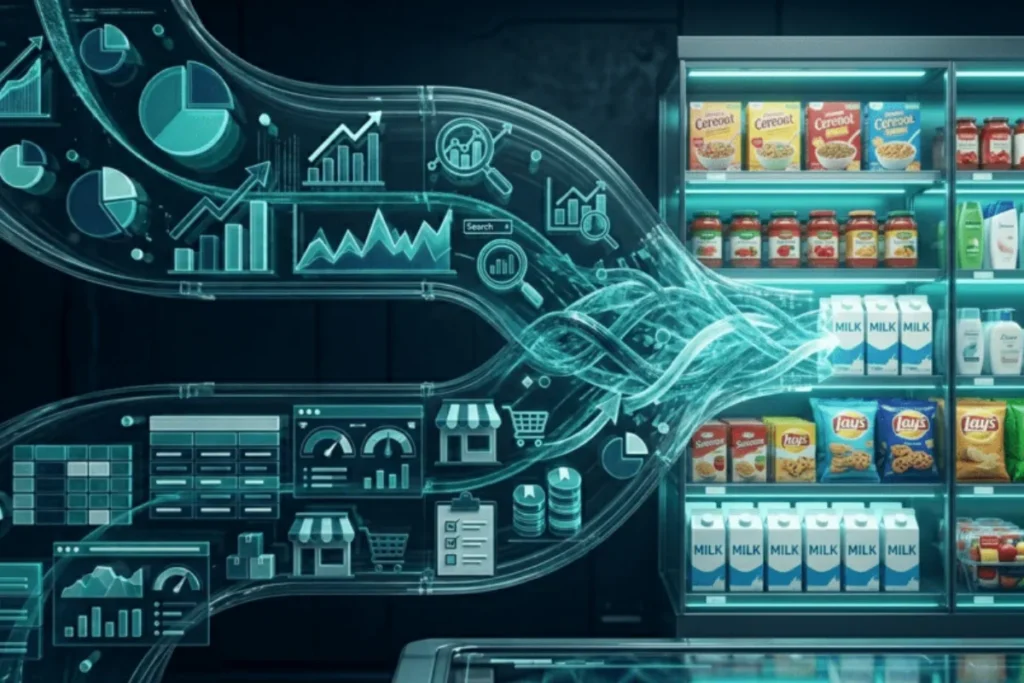
In-House Insights vs. External Studies: Two Sources, One Decision Out-of-stock situations continue to impact revenue and customer loyalty in retail. In 2025, the key to overcoming them lies in combining advanced technology, accurate data, and omnichannel strategies to ensure product availability across all points of sale. Subscribe August 11, 2025 The New Retail Landscape In 2025, the retail industry faces a more complex environment than ever before: persistent inflation, increasingly demanding consumers, unpredictable demand, and strong pressure for sustainability. According to Zebra’s 17th Global Consumer Study (2024), 66 % of shoppers in Latin America leave the store without purchasing everything they were looking for, and 76 % have experienced out-of-stock situations in the past year. These figures, combined with the high cost of excess inventory, reflect a problem that directly affects revenue, customer loyalty, and reputation. The Growing Challenge of Out-of-Stock Situations Out-of-stock situations not only mean lost sales but also a loss of trust. Unlike in the post-COVID era, when logistics disruptions were the main trigger, today’s factors include: Greater diversity of purchasing channels (physical, online, hybrid); spikes in demand due to promotions or events; and forecasting difficulties caused by sudden shifts in consumer behavior. Lack of accurate visibility into in-store and warehouse inventory. The key statistic: every percentage point improvement in availability can represent millions in additional revenue. (McKinsey & Company) AI and Machine Learning: Smart Forecasting and Replenishment Artificial Intelligence (AI) and Machine Learning (ML) technologies have evolved from a promise to a necessity: Advanced forecasting: predicts demand SKU by SKU, taking into account seasonality, trends, and external events. Automatic Replenishment: Triggers replenishment orders in real time. Smart Alerts: Identify potential stockouts before they occur. A study by Management One (2025) estimates that adopting these tools can reduce stockouts by up to 30 % and optimize inventory by 20 %. Omnichannel Approach and Centralized Management Omnichannel customers expect a seamless experience: the ability to shop online and pick up in-store, check real-time inventory, and receive fast deliveries. Centralized inventory management allows you to: Synchronize data across all channels. Prevent overselling or duplicate inventory. Maintain consistency in pricing and promotions. This not only improves the customer experience but also increases long-term customer value: omnichannel shoppers spend 30% more than single-channel shoppers. (Harvard Business Review) Automation and Full Visibility Automation is no longer limited to large chains: Inventory robots travel the aisles scanning products and prices. RFID-equipped drones perform full counts in minutes. Blockchain ensures traceability and transparency in the supply chain. (IBM for Supply Chain) These advances enable inventory accuracy of nearly 99 %, well above the current average (<70 % according to Auburn University). Sustainability as the Cornerstone of Inventory Management Optimizing inventory isn’t just profitable—it reduces waste and emissions. Circular inventory management, smart redistribution, and sales analytics prevent overproduction and promote more responsible consumption, addressing growing regulatory and social pressures. Teamcore: Real-Time Visibility and Action In this highly competitive landscape, Teamcore positions itself as the strategic tool for retail in Latin America: It consolidates real-time point-of-sale data. It analyzes performance by SKU, store, and category. It generates actionable insights to prevent stockouts and maximize availability. It facilitates collaboration between suppliers and retailers. More than 250 companies in the region already use InStoreView to improve availability, increase sales, and stay ahead of the competition. Inventory management in 2025 requires a combination of advanced technology, accurate data, and swift action. Companies that integrate AI, real-time visibility, and omnichannel strategies will gain a competitive edge, retain customers, and maximize revenue. If you’d like to discover how Teamcore can help you reduce stockouts, optimize inventory, and improve your customers’ experience, schedule a personalized demo with our team. Previous PostNext Post Latest Posts All Blog Posts Your field data is ready. When will you use it? The tournament begins. Your shelf is in the game, too. The tournament begins. Your shelf is in the game, too. How the 2026 Tournament Is Changing Retail Execution in Latin America Subscribe to our newsletter for free. Read More skip render: ucaddon_post_carousel
How artificial intelligence is revolutionizing execution in supermarket retail

How Artificial Intelligence Is Revolutionizing Operations in the Supermarket Retail Industry Subscribe August 11, 2025 Have you ever gone to the supermarket looking for your favorite product and… surprise—it’s not there? Or worse yet, have you been the brand manager who gets the call telling you that your flagship product has been out of stock for three days at the largest chain? If you work in the consumer goods industry, you know these headaches are a daily occurrence. The difference lies between companies that scramble to address problems by putting out fires, and those that have already anticipated them and have everything under control. And it’s not magic or luck: And it’s not magic or luck: it’s artificial intelligence for supermarket retail working 24/7 so you don’t have to live with that constant anxiety. From reacting to anticipating: the paradigm shift Today, there are companies that already know which products will sell out tomorrow, in which stores, and at what time. While some find out about stockouts when it’s already too late, others have already taken action using AI that detects invisible patterns: weather, competitor promotions, local events—all in real time. And how are they doing it? Through machine learning that analyzes sales patterns, weather, local events, competitor promotions, and dozens of other variables that no human could process simultaneously, companies are achieving more realistic sales forecasts. And it’s not just us saying this—this reality is backed by the opinions of several experts. NVIDIA conducted a study showing that 69% of companies implementing AI are seeing their revenue grow, and 72% have managed to lower operating costs. In other words, it’s not just «a nice idea in theory»—it’s working in practice, with real numbers. Concrete benefits for retail and consumer goods Let’s talk straight. Companies that have already taken the plunge are seeing results that once seemed impossible: Fewer stockouts, more sales: Imagine reducing stockouts by as much as 65%. That means your products are available when consumers are looking for them, and you don’t lose that sale—a loss you’ll never recover from. Forecasts that actually work: Planning teams are improving their forecasts by an average of 35%. It’s no longer that guessing game where you end up with mountains of unsold product or stockouts that cost you market share. Smart Promotions: Instead of running the same promotion in every store and waiting to see what happens, you can now adjust prices, discounts, and messaging based on what actually works at each point of sale. Aligned Teams: Your sales and field teams no longer work with last week’s data. Everyone sees the same information, in real time, and can act in a coordinated manner. The end result is clear: more sales, lower costs, and happier customers because they find what they’re looking for. Technology as a Strategic Partner Here’s the interesting part: it’s not about replacing your team with robots. It’s about empowering your team. The best B2B retail software solutions take all that information that was previously scattered and turn it into clear, prioritized actions. Your Category Manager no longer spends hours creating reports but instead makes strategic decisions based on insights that AI has already processed and presents to them, ready for action. It’s like having an analyst who never sleeps, never gets tired, and can analyze millions of data points simultaneously to tell you exactly what you need to do today to maximize results. Is your company ready to take the leap? Today, AI-driven execution is no longer «the technology of the future.» It’s the present for companies that are gaining market share while others continue to operate as they did 10 years ago. Every week that passes without adopting these tools is an advantage you’re handing your competition on a silver platter. And in a market as competitive as mass consumer goods, those advantages quickly translate into market share that takes years to recover. If you truly want to optimize your retail operations, cut the costs that are eating into your margins, and increase your market share, there’s not much to think about. The time is now. Schedule a personalized demo. AI is no longer a luxury—it’s the difference between growing and losing ground. While you’re thinking about it, your competitors are already using it. Want to see exactly how this would work for your specific operation? Our team can show you live how to implement AI in your company to optimize sales execution, with examples using your own product categories and retail locations. Previous Post Next Post Latest Posts All Posts Blog In-House Insights vs. External Studies: Two Sources, One Decision Commercial Execution in the Traditional Channel: What’s Changed Retail Business Data: The Gap Between What You See and What Happens at the Point of Sale Subscribe to our newsletter for free. Read More skip render: ucaddon_post_carousel
Challenges and solutions in retail stock management this 2025

Challenges and Solutions in Retail Inventory Management in 2025 Out-of-stock situations continue to impact revenue and customer loyalty in retail. In 2025, the key to overcoming them lies in combining advanced technology, accurate data, and omnichannel strategies to ensure availability at all points of sale. Subscribe August 11, 2025 The New Retail Landscape In 2025, the retail industry faces a more complex environment than ever before: persistent inflation, increasingly demanding consumers, unpredictable demand, and strong pressure for sustainability. According to Zebra’s 17th Global Consumer Study (2024), 66 % of shoppers in Latin America leave the store without purchasing everything they were looking for, and 76 % have experienced out-of-stock situations in the past year. These figures, combined with the high cost of excess inventory, reflect a problem that directly affects revenue, customer loyalty, and reputation. The Growing Challenge of Out-of-Stock Situations Out-of-stock situations not only result in lost sales but also in a loss of trust. Unlike in the post-COVID era, when logistical disruptions were the main trigger, today’s factors include: Greater diversity of purchasing channels (in-store, online, hybrid). Spikes in demand due to promotions or events. Difficulties in forecasting due to sudden shifts in consumer behavior. Lack of accurate visibility into in-store and warehouse inventory. The key statistic: every percentage point improvement in availability can represent millions in additional revenue. (McKinsey & Company) AI and Machine Learning: Smart Forecasting and Replenishment Artificial Intelligence (AI) and Machine Learning (ML) technologies have evolved from a promise to a necessity: Advanced forecasting: predicts demand on a SKU-by-SKU basis, taking into account seasonality, trends, and external events. Automatic Replenishment: triggers replenishment orders in real time. Smart Alerts: identify potential stockouts before they occur. A study by Management One (2025) estimates that adopting these tools can reduce stockouts by up to 30 % and optimize inventory by 20 %. Omnichannel Approach and Centralized Management Omnichannel customers expect a seamless experience: the ability to shop online and pick up in-store, check real-time inventory, and receive fast deliveries. Centralized inventory management allows you to: Synchronize data across all channels. Avoid overselling or duplicate inventory. Maintain consistency in pricing and promotions. This not only improves the customer experience but also increases long-term customer value: omnichannel shoppers spend 30% more than single-channel shoppers. (Harvard Business Review) Automation and Full Visibility Automation is no longer limited to large chains: Inventory robots travel through aisles scanning products and prices. RFID-equipped drones perform full counts in minutes. Blockchain ensures traceability and transparency in the supply chain. (IBM for Supply Chain) These advancements enable inventory accuracy of nearly 99 %, well above the current average (<70 % according to Auburn University). Sustainability as the Cornerstone of Inventory Management Optimizing inventory isn’t just profitable—it reduces waste and emissions. Circular inventory management, smart redistribution, and sales analysis prevent overproduction and promote more responsible consumption, addressing growing regulatory and social pressures. Teamcore: Real-Time Visibility and Action In this highly competitive landscape, Teamcore positions itself as the strategic tool for retail in Latin America: It consolidates real-time point-of-sale data. It analyzes performance by SKU, store, and category. It generates actionable insights to prevent stockouts and maximize availability. It facilitates collaboration between suppliers and retailers. More than 250 companies in the region already use InStoreView to improve availability, increase sales, and stay ahead of the competition. Inventory management in 2025 requires a combination of advanced technology, accurate data, and rapid action. Companies that integrate AI, real-time visibility, and omnichannel strategies will gain a competitive advantage, retain customers, and maximize revenue. If you’d like to discover how Teamcore can help you reduce stockouts, optimize inventory, and improve your customers’ experience, schedule a personalized demo with our team. Previous PostNext Post Latest Posts All Blog Posts Your field data is ready. When will you use it? The tournament begins. Your shelf is in the game, too. The tournament begins. Your shelf is in the game, too. How the 2026 Tournament Is Changing Retail Execution in Latin America Subscribe to our newsletter for free. Read More skip render: ucaddon_post_carousel
How to design an effective customer loyalty strategy?

How to Design an Effective Customer Loyalty Strategy? The company takes a unified approach by combining traditional and modern channels through a single platform. Subscribe July 18, 2025 Did you know that having a customer loyalty strategy in the traditional channel is crucial for increasing sales and strengthening relationships with distributors? That’s right—an effective loyalty program allows manufacturers to gather business intelligence from distributors, which provides insights into sales behavior, product turnover, and more. That’s why, today at Teamcore, we’ll share what you need to keep in mind when designing a successful customer loyalty strategy for the traditional channel. Let’s get started! Steps to Design a Customer Loyalty Strategy Today, it’s essential to implement customer loyalty programs that lead to distributor retention, as this provides a competitive advantage that ensures business growth. For this reason, establishing an attractive customer loyalty plan will help you achieve your business goals. Below, we’ll outline three steps to keep in mind when developing a customer loyalty plan. Understand Your Distributors’ Profiles The first step in any relationship is getting to know each other. In the traditional retail channel, this is even more important, as identifying your distributors’ profiles, understanding their goals, and analyzing their purchasing behavior will allow you to design a successful loyalty program. It’s also important to keep in mind that the effectiveness of a customer loyalty program relies on advanced analytics solutions, as these allow you to identify distributors’ behavioral patterns and pinpoint areas for improvement—all with the goal of developing a relevant loyalty strategy for the channel. Remember that the most important aspect of a loyalty program is motivating distributors to make another purchase, and the only way to achieve this is by understanding their behaviors and business strategies in advance. Establish Effective Communication Although it may not seem like it, consumer goods companies have often lost distributors because they failed to communicate effectively. Therefore, loyalty programs must place special emphasis on communication. This is why, to create a successful loyalty program, you must maintain constant communication with distributors. You can do this through newsletters featuring the latest updates or regular visits during which you inform them of new promotions and rewards—all with the goal of ensuring distributors realize that, beyond just a supplier, there are people behind the scenes who are willing to provide them with all the support they need in their sales efforts. Attractive Rewards System For your loyalty program to generate effective results, it’s important to establish attractive rewards for distributors; such as offering volume discounts to wholesalers, promotions specifically designed for loyal distributors, and bonuses for meeting certain purchase targets, etc. Make sure the rewards you’re offering are truly worthwhile and create a system that allows all distributors to participate, regardless of their size. Remember that a good rewards system is the key to the success of your customer loyalty strategy. How to Implement a Loyalty Program? To implement a successful customer loyalty program, you need a solution that provides detailed and reliable information. This will give you the sales management insights you need to make accurate, data-driven decisions, which in turn will ensure the success of your program. Furthermore, having a platform that allows you to track established goals, maintain a historical record of performance, and evaluate incentives makes you more competitive in the traditional retail channel. In fact, thanks to the solutions provided by Teamcore, you’ll be able to analyze your distributors’ behavior and make data-driven decisions that lead to the achievement of your business goals. Do you now see the importance of implementing a customer loyalty program? Don’t forget that at Teamcore, we’re experts in AI-based technology applied to retail, and our main goal is to help you make the best decisions based on analyzed information and take your business to the next level. Ready to turn your data into sales results? Contact us to learn more. Previous PostNext Post Latest Posts All Posts Blog In-House Insights vs. External Studies: Two Sources, One Decision Sales Execution in the Traditional Channel: What’s Changed Retail Sales Data: The Gap Between What You See and What Happens at the Point of Sale Subscribe to our free newsletter. Read More skip render: ucaddon_post_carousel
What types of incentives work in retail?

What types of incentives work in retail? The company takes a unified approach by combining traditional and modern channels through a single platform. Subscribe March 14, 2025 If you’re part of the traditional retail sector, you know that competition in retail is growing every day. And if you’re constantly looking for different ways to boost your sales and increase customer loyalty, this blog is perfect for you, because today at Teamcore, we’ll be discussing the types of incentives that work in retail. Want to know what this is all about? Keep reading this blog! What Is a Retail Incentive? Before learning about the different types of incentives, it’s important to understand their purpose. In retail, incentives aim to influence retailers’ behavior to boost sales; that’s why manufacturers must constantly work to create incentive programs that allow them to strengthen their business relationships. Below, we’ll show you the different types of incentives you should consider if you’re a manufacturer looking to succeed in sales. Types of Incentives It’s important to know that there are different types of incentives that can be highly effective in retail. However, keep in mind that what makes an incentive effective is its relevance, ease of use, exclusivity, and effectiveness. Want to know what they’re all about? Let’s get started! Discounts and attractive profit margins: If you want to keep retailers motivated, financial incentives will always be the best option; which is why you can offer discounts based on purchase volume—for example, if a purchase ranges from 100 to 400 units, you can offer a 10% discount. This not only encourages larger orders but also strengthens your business relationship. Rebate systems: Another incentive that works well with retailers is offering a partial rebate on their purchases if they meet certain sales targets within specific time frames. It’s important to note that this approach works if retailers meet the goal of selling a certain number of units. For example, as a manufacturer, you might offer retailers a 2% rebate on all their purchases if they manage to sell more than 500 units in three months. This incentive encourages retailers to actively promote the products, thereby increasing sales. Early-payment discounts: Encouraging retailers to pay their invoices before the due date through discounts is a win-win strategy for both parties. An example of this is offering a 5% discount on the invoice if payment is made within the first 10 days. This type of discount aims to ensure timely payments and strike a balance between the financial needs of both the manufacturer and the retailer. Geographic exclusivity: Offering geographic exclusivity is a valuable incentive for retailers, as it allows them to sell a product in a specific area without direct competition, which will give you a better understanding of sales in that area and enable you to make strategic decisions. Additionally, this will help you improve product distribution. Without a doubt, considering the different types of incentives to achieve your sales goals in the Traditional Channel is key for distributors to strengthen their business relationships—and that’s where Teamcore comes in, because through data analysis, we facilitate daily monitoring of your sales management, identifying the performance of sales teams to ensure all your goals are met. So, what are you waiting for to create successful incentive programs? Contact us to learn more. Previous PostNext Post Latest Posts All Posts Blog In-House Insights vs. External Studies: Two Sources, One Decision Sales Execution in the Traditional Channel: What’s Changed Retail Sales Data: The Gap Between What You See and What Happens at the Point of Sale Subscribe to our newsletter for free. Read More skip render: ucaddon_post_carousel
3 keys to understanding consumer buying behavior in the Traditional Channel
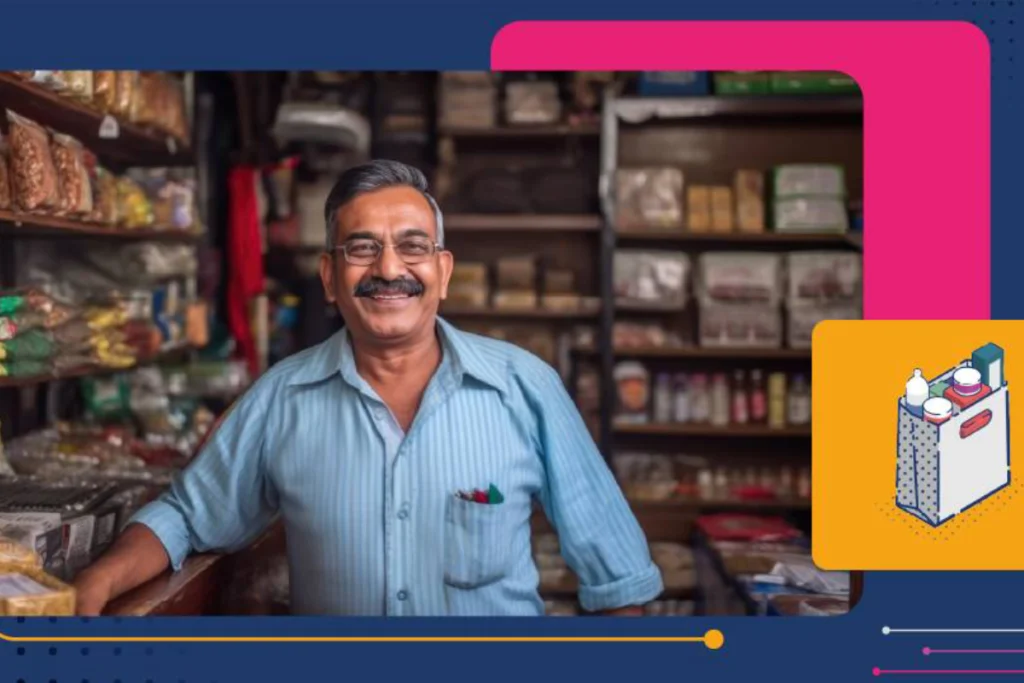
3 Keys to Understanding Consumer Purchasing Behavior in the Traditional Channel The company takes a unified approach by combining traditional and modern channels through a single platform. Subscribe March 14, 2025 It’s no secret that if you want to be successful in the Traditional Channel, consumer purchasing behavior is crucial to any manufacturer’s success, since obtaining this information is the key to creating strategies and making successful business decisions. That’s why, today at Teamcore, we’ll share some important insights you should keep in mind when analyzing consumer behavior in this channel. Let’s get started! Why Is It Essential to Understand Purchasing Behavior in the Traditional Channel? Understanding how consumers make decisions in the Traditional Channel is essential for any manufacturer looking to optimize its sales strategies. Factors such as purchase frequency, the most in-demand products, and the reasons behind each choice can make all the difference in a brand’s growth. If you’re wondering how to gather information on this behavior, don’t worry. Finding out is easier than it seems. We’ll explain it in 3 steps: How to analyze consumer purchasing behavior? We know that manufacturers operating in the traditional retail channel are in a constant struggle to remain competitive and relevant; one way to address this is by understanding consumer purchasing behavior. Now, did you know that if you have an advanced analytics solution, you can stay on top of not only consumer behavior and the products that stand out in the channel, but you can also make strategic, data-driven decisions? Let’s start by looking at the essential keys you should keep in mind to understand consumer purchasing behavior: Point-of-sale analysis: Having a data analytics tool is essential for understanding purchasing trends, the busiest geographic areas, and gaining a comprehensive understanding of promotions. Through this data, you’ll be able to assess whether your sales strategies are yielding positive results and adjust them in real time. Furthermore, having detailed information on consumer behavior at the point of sale is crucial for making strategic decisions and achieving successful outcomes. Sales Data Analysis: Advanced analytics solutions will help you identify patterns in purchasing habits, pinpoint the most successful products, determine which ones to promote, and uncover new opportunities—such as creating new promotions or improving your pricing strategy. Predictive Analytics: One of the keys to understanding consumer behavior is having a robust and effective predictive model. Thanks to advanced analytics, you’ll be able to forecast future consumer behavior, adjust your offerings, and respond proactively to market changes. It’s very important to keep in mind that to gain an in-depth understanding of consumer behavior, you must collect relevant, detailed, and high-quality data, as this data will allow you to track best-selling products, transaction records, and sales volumes, as well as identify geographic areas where your products sell best—or, conversely, where they don’t. We know that obtaining reliable and detailed information can be a headache, but that’s no longer a problem—we’re here to tell you that at Teamcore, we operate Colombia’s largest data observatory for the traditional retail channel, which is why we regularly compile millions of transactions in a detailed and reliable manner. Thanks to this, we offer market insights to ensure more informed business decisions within the channel. Don’t wait any longer—contact us! The key to making successful business decisions in the traditional retail channel is really acquiring our advanced analytics solutions—so what are you waiting for to take the lead in the traditional retail channel? Next Post Latest Posts All Blog Posts Your field data is ready. When will you use it? The tournament begins. Your shelf is also in the game. The tournament begins. Your shelf is also in the game. How the 2026 Tournament Is Changing Retail Execution in Latin America Subscribe to our newsletter for free. Read More skip render: ucaddon_post_carousel