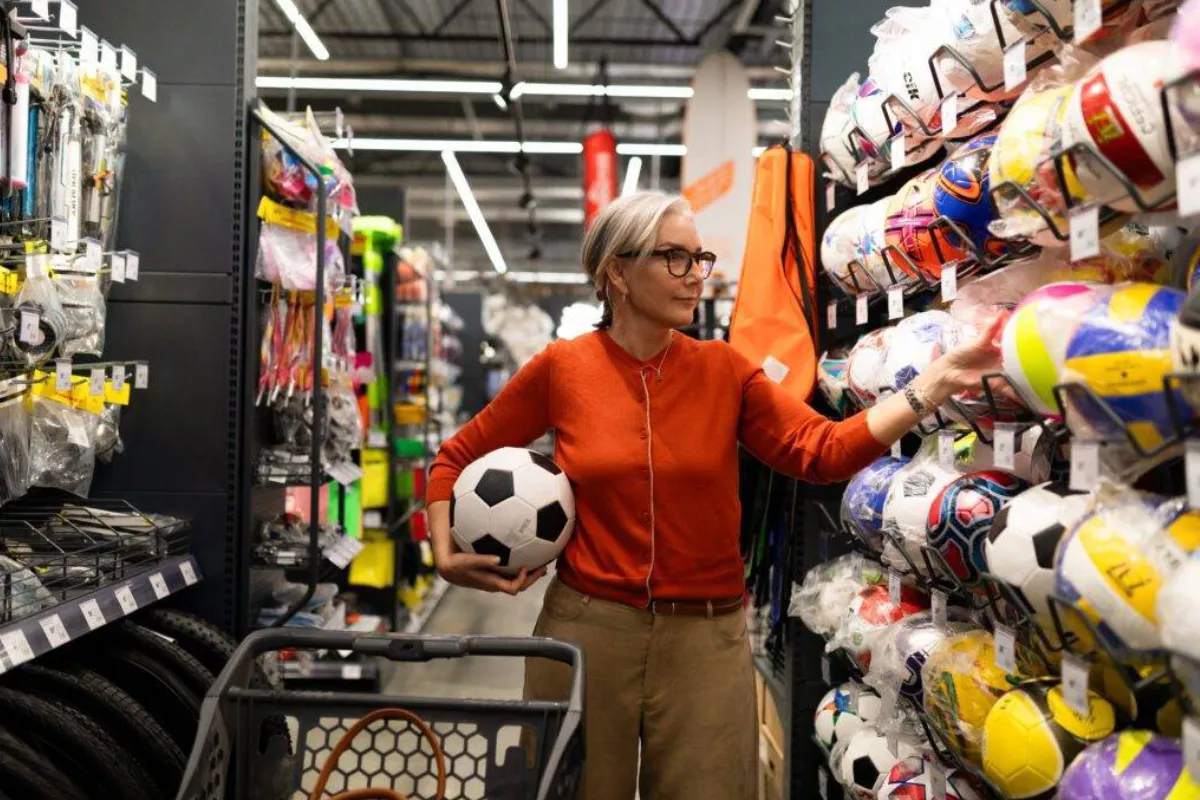
The tournament is not played just on the pitch
Matches are not only played in stadiums.
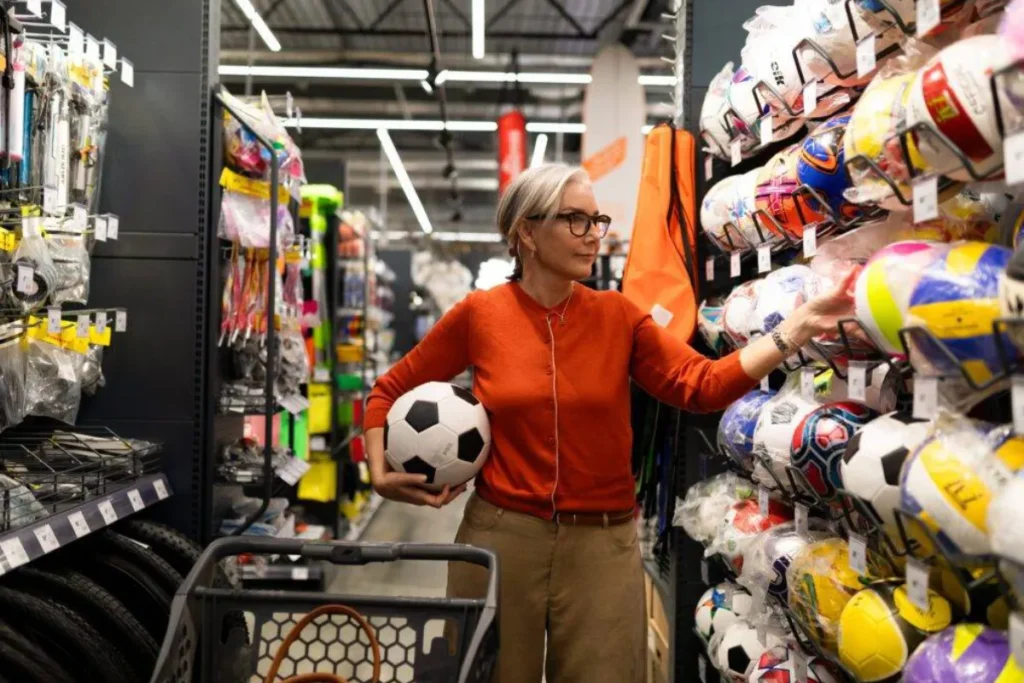
It is played out on every shelf, in every store, in every execution decision.
When 10 Latin American national teams compete in the largest tournament in history, millions of consumers reorganize their shopping habits. For CPGs, this opens a critical window: capture growth… or lose it to the competition.
And that window barely lasts 39 days.
- +30% expected surge in categories such as beer, snacks, and soft drinks (Kantar / Expansión, Feb 2026)
- $395M USD projected additionals for retail in Mexico (Monitor Deloitte, Feb. 2026)
- 10 LATAM national teams boosting consumption throughout the region (FIFA / Milenio, Apr. 2026)
The impact is not marginal. It is structural.
The problem: most brands do not arrive in optimal conditions.
Because in events like this, execution —not strategy— defines who wins.
The 5 moves that define the outcome
1. Commercial planning
Map your winning categories before the whistle
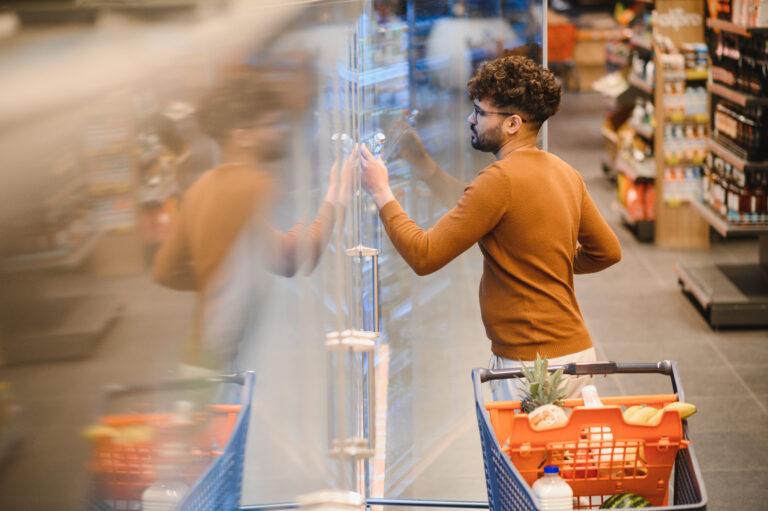
Not all categories respond the same way. Beverages, snacks, beer, and deli meats account for the highest spikes, with increases of up to 30% during periods of high demand. (Kantar / Expansión, Feb 2026).
Companies that capitalize on these moments do not improvise:
they analyze previous events (Copa América, qualifiers), project demand, and adjust their mix in advance.
The most expensive mistake is not failing at marketing.
It is staying out of stock when the consumer is ready to buy.
2. In-store execution
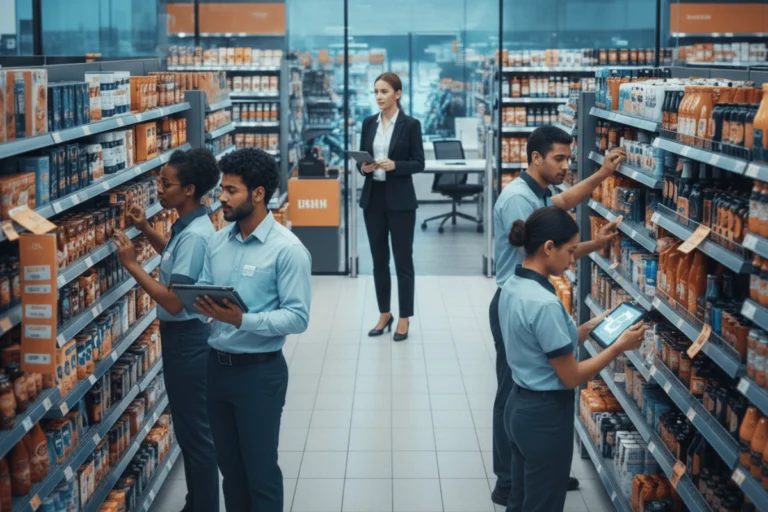
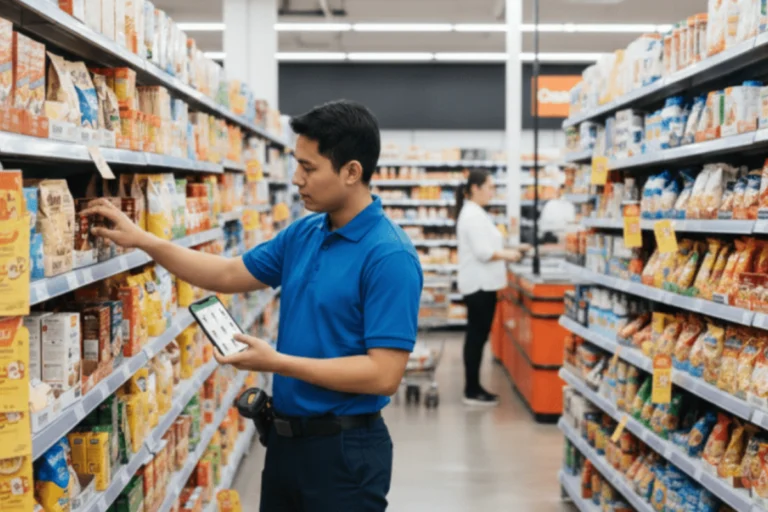
The battle is won on the shelf, not in the brief
You can have the best campaign of the tournament.
If the product is not available, well-displayed, and with the correct price, there is no sale.
During the Great Tournament:
- Traffic is going up
- the purchase speed increases
- the margin of error disappears
The value of the tournament is not automatic.
It is built with operational discipline.
Adjusting inventories and ensuring availability before demand peaks is a critical condition for capturing the economic value of the event (Monitor Deloitte, Feb. 2026).
3. Traditional channel: where the match is also played
Growth does not live only in the modern channel.
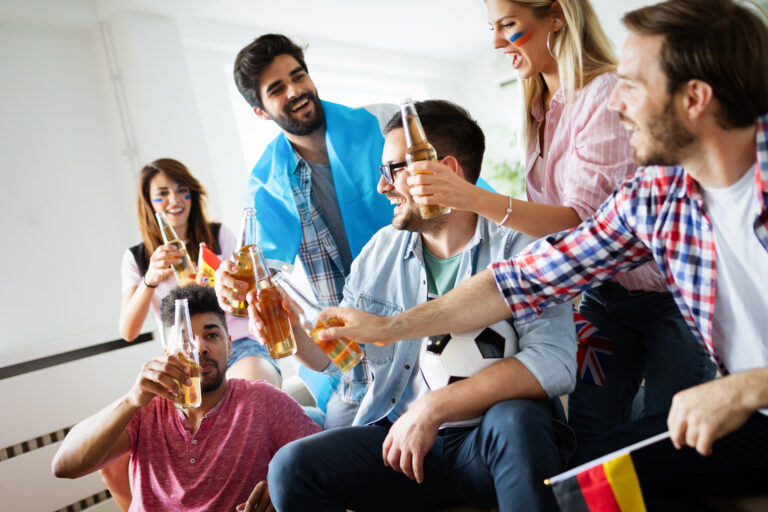
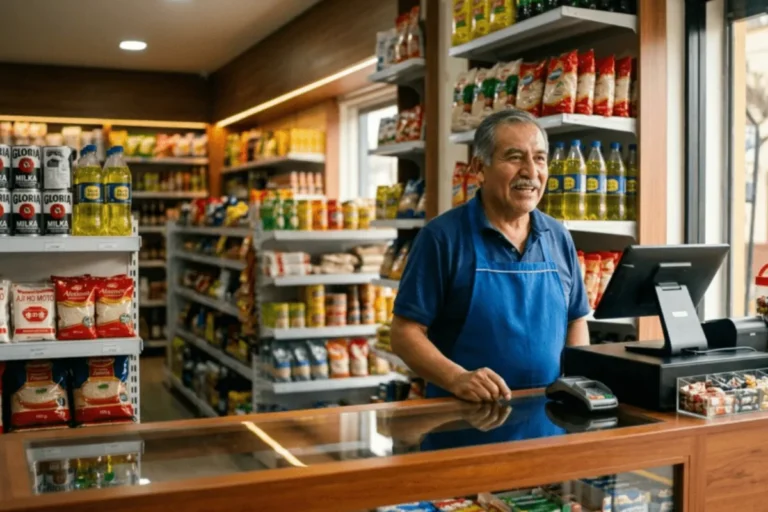
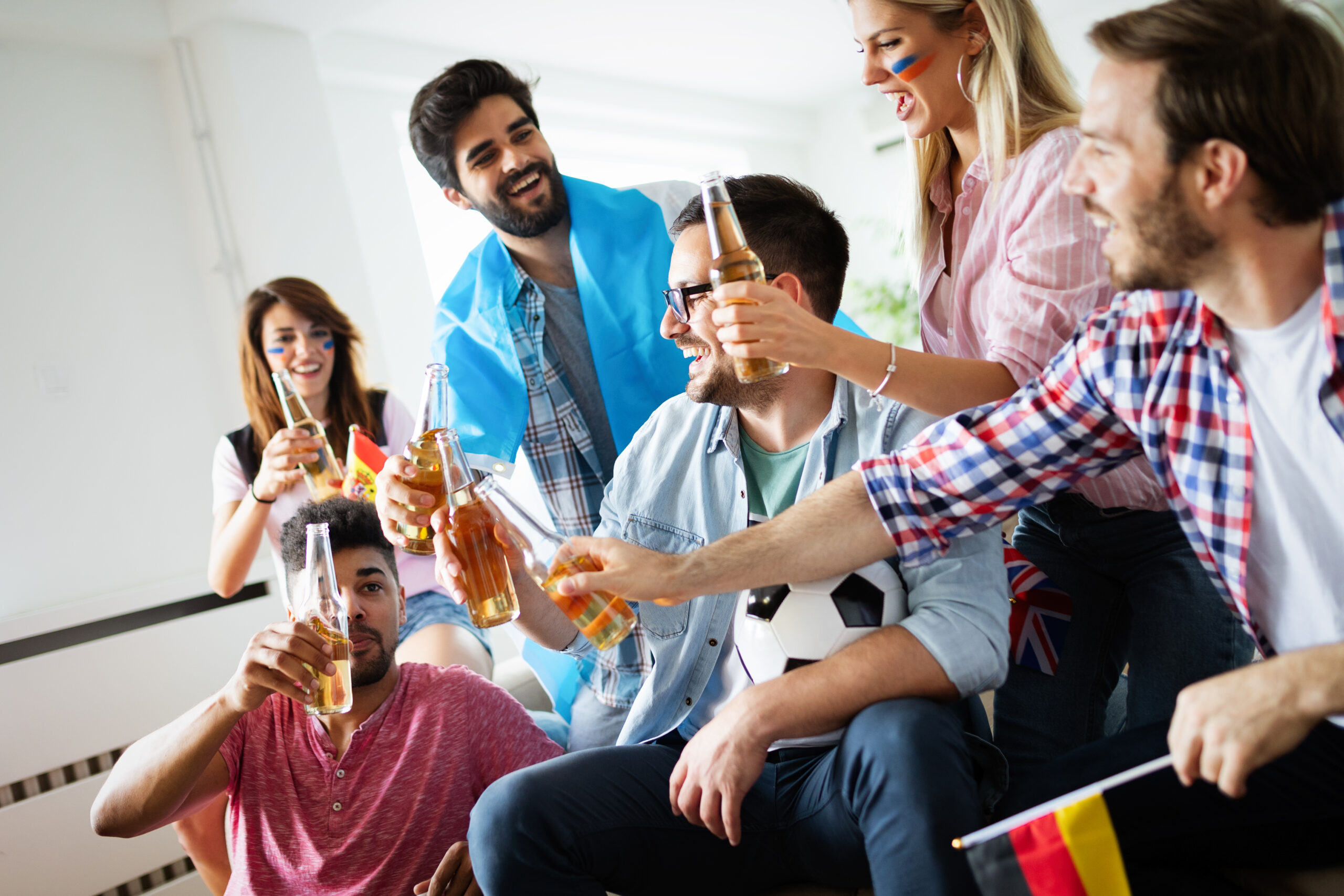
Neighborhood stores, convenience stores, and local shops capture a significant share of consumption, especially during social moments: home games, get-togethers, and last-minute shopping.
In markets such as Colombia, the traditional retail channel can see increases of around 45% during key games, especially in categories such as snacks and beverages (Fenalco / America Retail, Nov. 2024).
Strategies focused only on supermarkets leave money on the table.
The game is watched wherever possible.
The product has to be there.
4. Real-time execution
Total visibility when it matters most
During the Event, reacting late is losing.
A stockout during your national team's match week can mean losing the sales of the entire season (Monitor Deloitte, Feb. 2026).
Decisions cannot wait for weekly reports.
They are taken in hours.
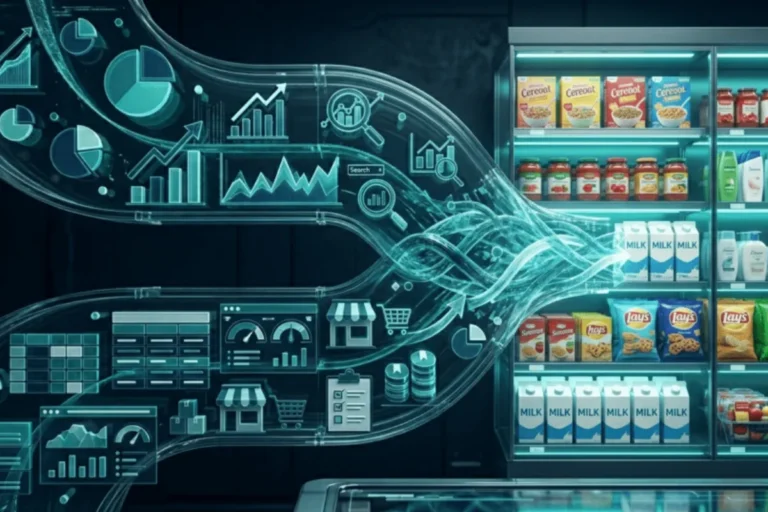
This is where execution becomes a real competitive advantage:
- detect stockouts before they impact sales
- prioritize visits according to commercial impact
- focus the field team on key stores
- react in real time
The brands that win are not the ones that see the most data.
They are the ones they act faster with them.
5. Post-tournament analysis
The closing is where your competitive advantage begins
Many companies celebrate the result... and miss the learning.
The cup leaves more than sales.
Leave critical information:
- which stores outperformed
- which SKUs sold out early
- where did the execution fail
- which decisions actually generated an impact
In addition to boosting consumption, the tournament will also have a relevant macroeconomic impact, with job creation and GDP growth. (Monitor Deloitte, Feb. 2026).
Brands that turn these learnings into action are the ones that win the next cycle.
The Tournament is a test of execution, not budget
The 2026 Great Soccer Tournament is not just a sporting event.
It is a commercial maturity test for CPGs in LATAM.
Brands that gain market share will not necessarily be the ones that invest the most in advertising.
These will be the ones that:
- arrive at the point of sale with the correct portfolio
- execute consistently
- and react in real time when something deviates from the plan
The opening whistle is on June 11
Preparation starts now
In 39 days you can capture a unique opportunity...
or let your competition do it for you.
Sources
- Kantar / Expansión Proximity, value, and soccer: the 3 keys to capturing consumer spending (Feb. 2026)
- Monitor Deloitte — Retail will generate 395 million dollars in sales due to the 2026 World Cup in Mexico (Feb. 2026)
- Fenalco / America-Retail The impact of the qualifiers and football on commerce (Nov. 2024)
- FIFA / Milenio Complete list of national teams qualified for the 2026 World Cup (Apr. 2026)
- El Financiero — Consumer goods companies expect a sales boost from the World Cup (Mar. 2026)