
There are times when demand appears on its own. The challenge is to be available when the consumer arrives.
During soccer season, the rhythm of daily shopping changes. There are matches that rearrange the afternoon, get-togethers that are put together with short notice, and quick trips to the store before the whistle. For mass consumption, those minutes usually concentrate decisions that are normally spread out over the week.
The difference is that 2026 is not arriving with a relaxed consumer. It arrives with a desire to gather, yes, but also with more caution when spending. That mix—high spirits and a measured budget—is quickly noticeable in the store: in what is bought, what is replaced, and which brand is chosen when the favorite is not available.
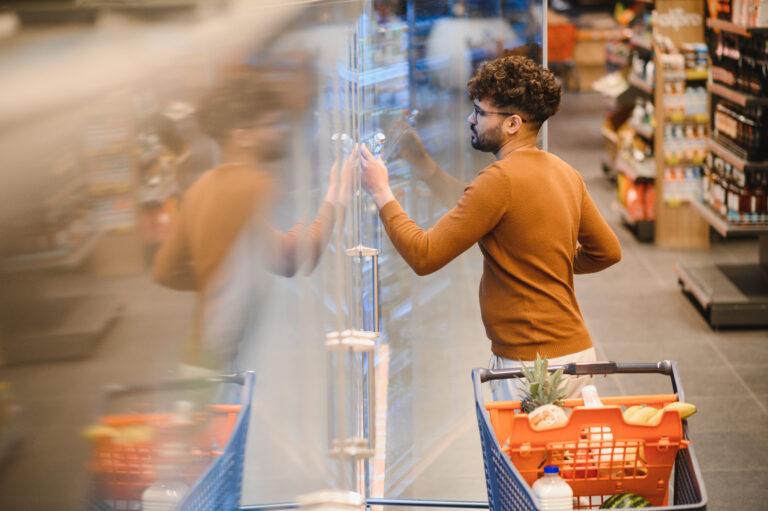
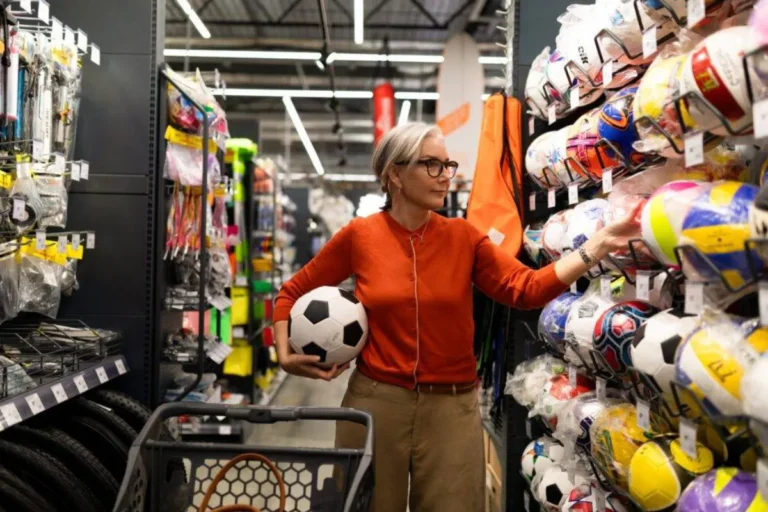
It's 6:30 PM. The game starts in an hour. Millions of people in Mexico, Colombia, and Peru are doing the exact same thing: dropping by a store, a convenience store, or calling for delivery to prepare for the party meeting.
Some find what they are looking for. Others don't. And those who don't find it don't wait: they choose another brand or go to the competitor across the street. That decision can take three seconds. The sale, on the other hand, never comes back.
The football consumer: eager to celebrate, but watching the spending

The reality that arrives before the whistle
To anticipate what is coming, we must look at how the Latin American consumer arrives at this season. They do not necessarily buy less due to a lack of interest: they buy with more filters, compare more, and leave less room for error at the point of sale.
The March and April MI Monitor Colombia reports show a channel that is not stagnant, but is much more selective. In April, purchases grew by 3.9% in YTD value, while actual volume fell by −2.2%; the report attributes this to a Supply Price Index of 6.6%, nearly double the 3.9% recorded in 2025. MI Monitor Colombia — April 2026 March was already showing the same tension: more value than volume, more caution with spending, and a shopkeeper restocking cautiously. MI Monitor Colombia — March 2026
And yet: the game is on and the consumer is going to spend. The question is not whether there will be consumption; there will be. The question is in what, when and if your brand is going to be available right when the decision is made.
Two types of products. The same shelf.
Economic stress does not flatten consumption: it reorganizes it. The consumer under pressure does not stop buying — they choose more strategically. And in the context of the football season, that choice has a very specific emotional logic.
Gondola space is limited. In a match week, every available front counts.
April leaves a useful takeaway: consumers do not cut back on everything equally. Pets and snacks are growing in volume, while detergents, OTC products, and some sauces are declining sharply. In other words, small treats and purchases with a high emotional connection hold up better; what is replaceable or more price-sensitive comes under pressure. MI Monitor Colombia — April 2026
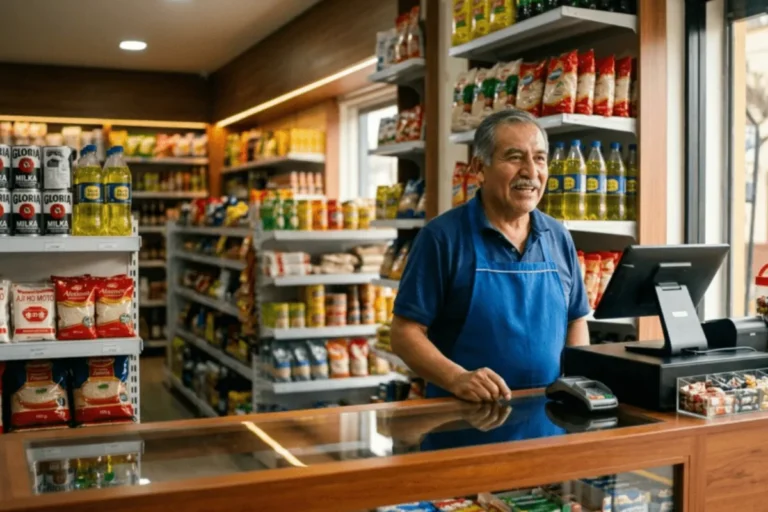
Traditional Retail is the sub-channel showing the strongest resilience: in April, it posted a +0.1% increase in YTD volume, while Mini-markets fell by −4.9% and Wholesalers by −3.9%. MI Monitor Colombia — April 2026 During a football season, that proximity matters: it is the store the consumer arrives at 40 minutes before the match, when there is not much room left to change plans.
The game is also played in the aisle
The soccer season drives demand, but it does not guarantee sales. If the product is not on the shelf, the intent goes to another brand, another format, or another store. In consumer goods, that gap is usually seen late, when the month-end no longer allows recovering what was lost.

Up to 15% of SKUs that are out of stock under normal conditions
In beverages, one of the categories most activated by sporting events, availability can change the commercial result of the day. If the starting point already brings OSA under pressure, a week of matches not only boosts sales: it can also make out-of-stock items more visible. Case Bebidas Mexico - Teamcore
The dynamic is simple: if the consumer wants your product and cannot find it, they make do with what is available. In high-demand weeks, that substitution happens many times, at many points of sale, and almost always without warning. When the game ends, that purchase has already been decided.
The consumer is coming. The question is whether your product is, too.
High-attendance sporting events generate predictable demand peaks for beverages, snacks, and ready-to-prepare foods. Consumers arrive determined to buy—what they will not tolerate is not finding what they need.
A tight budget makes the consumer less loyal to the brand.
When disposable income is under pressure, brand loyalty yields to availability. If your product isn't there, the consumer chooses another — and often, they find that the substitute is good enough.
What a football season reveals in retail
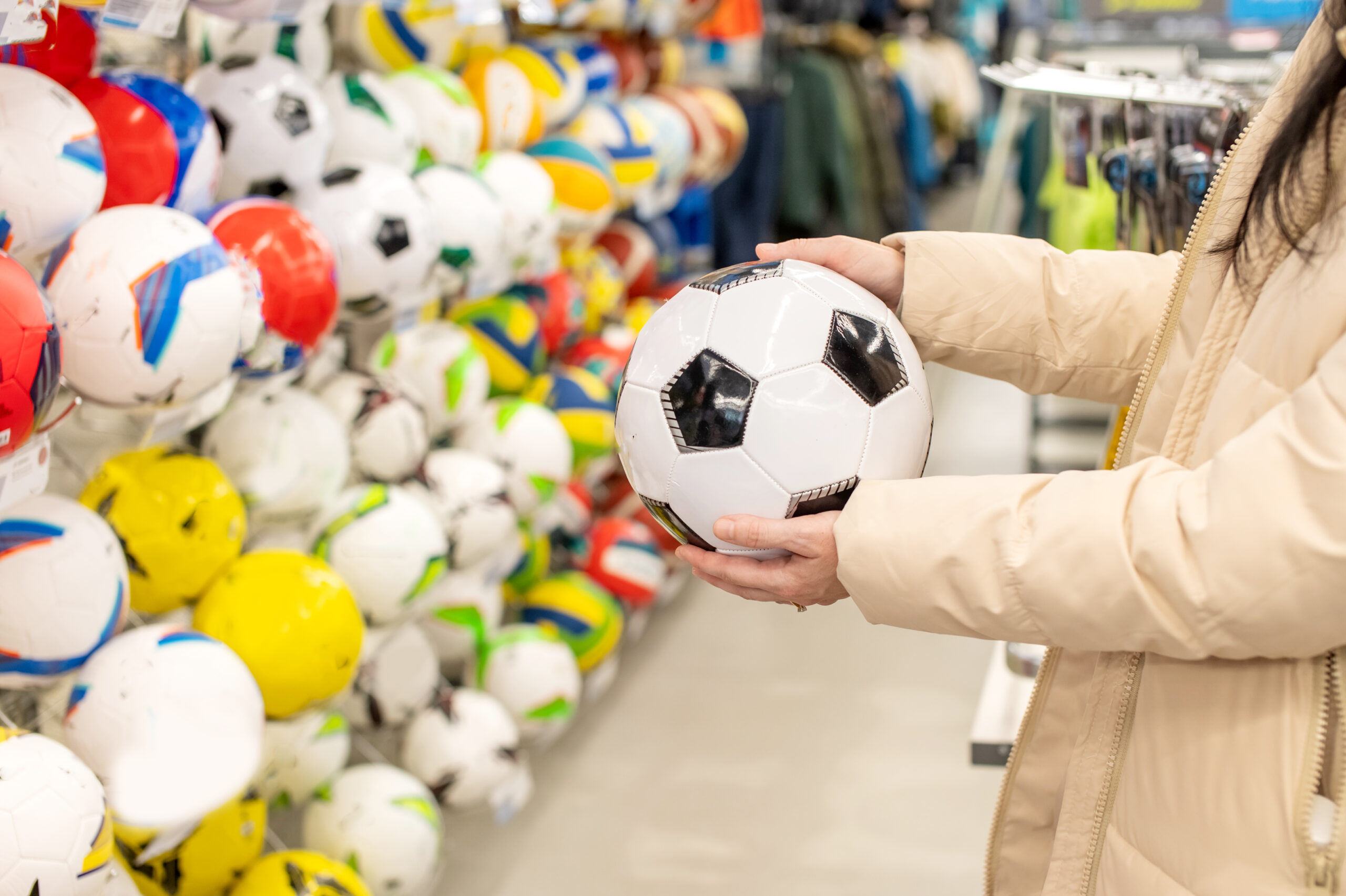
The team with more people on the field doesn't always win. The one that sets better priorities wins.
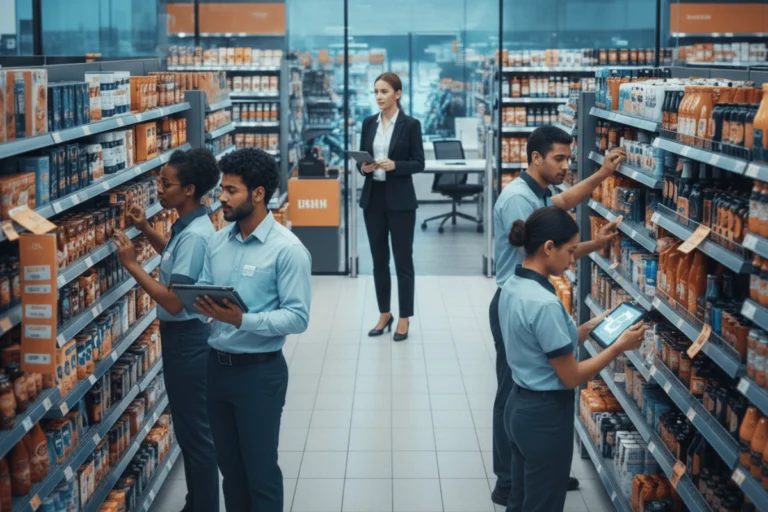
A season with high-attendance matches acts as a real test for commercial execution. It shows how quickly your operation detects a stockout, understands its cause, and activates the right team before the sale is lost.
Three things your operation needs before the kickoff
The football season is already upon us. The best-prepared brands are not going to wait for the closing report to react: they will prioritize stores, SKUs, and actions before stockouts happen. Three fronts make the difference:
1. Granular visibility by SKU, point of sale, and day
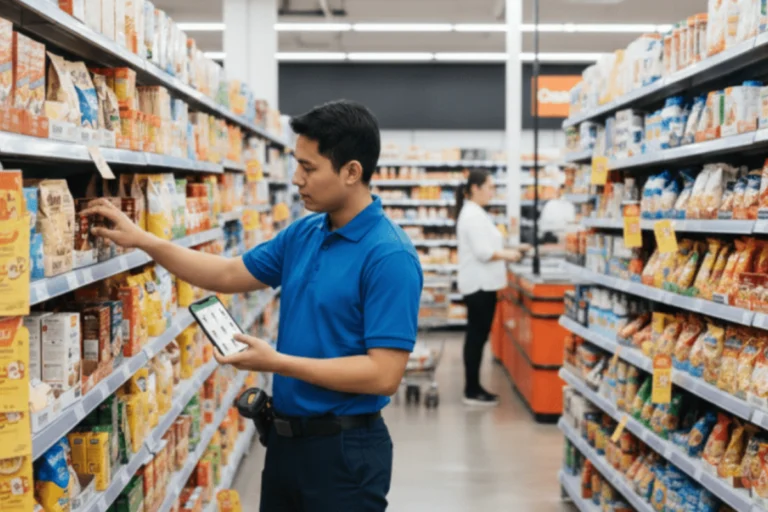
It is not enough to know that a category has problems. You need to know which SKU, in which store, since when, and how much it is costing in sales. Granularity turns observation into action. Without it, the field team works with intuition instead of priorities.
2. Separate the type of breakdown before acting
In the beverage category, up to 80% of lost sales is due to supply issues, not operational issues. Case Bebidas Mexico - Teamcore Taking action on the merchandiser when the problem lies in logistics is effort with no return. The correct diagnosis is half the solution.
3. Action plans that arrive before the consumer does
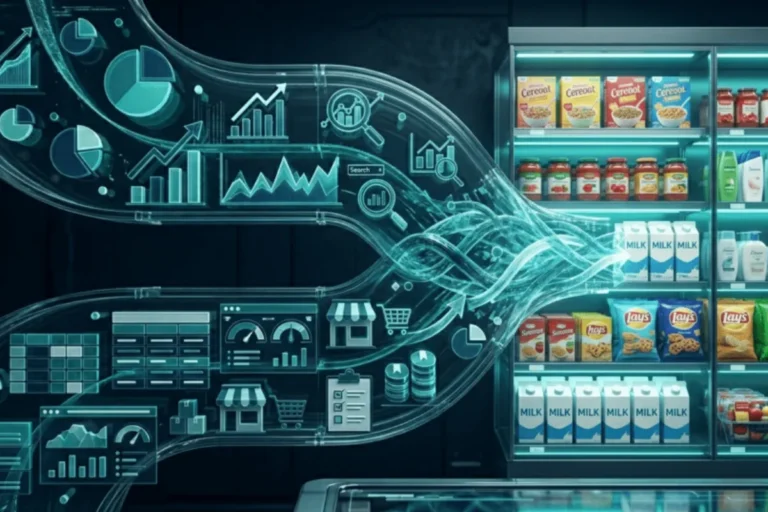
Automated out-of-stock detection 24 to 48 hours before depletion completely changes the equation. Impact Data — Teamcore It gives the field team a real window for action, instead of a damage report after the game is already over.
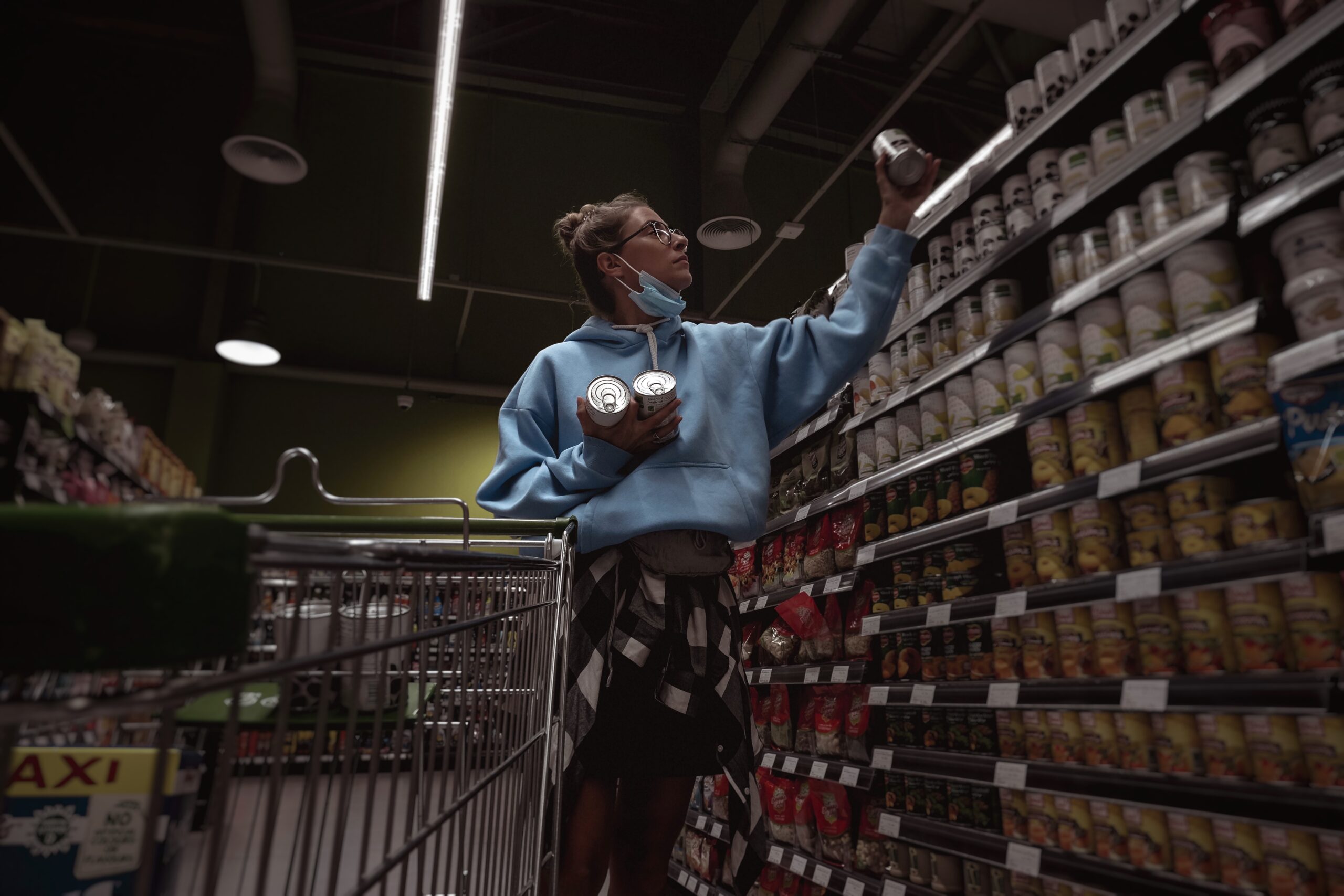
Teamcore's benchmarks show that when the entire team—merchandisers and managers—operates with the same real-time information, lost sales due to execution systematically drop. Impact Benchmark — Teamcore The virtuous circle is clear: better information → more precise actions → greater availability → more sales. The football season amplifies that cycle in both directions.
The scoreboard that your team can actually manage
In the coming weeks, millions of people in Latin America will organize gatherings around soccer. There will be planned purchases, last-minute purchases, and many decisions made in front of the shelf. The demand will be there.
The question for commercial, trade, and field sales teams is not just "how do we capitalize on the football season?". The more useful question is: Do we know where product might be out of stock and do we have a way to act before the consumer arrives?
The 2026 consumer is more willing to substitute when they cannot find what they are looking for. Out-of-stock items do not show up on a broadcast or a scoreboard, but they accumulate store by store, category by category, until the financial close reveals it far too late.
The brands that are going to win this football season are not necessarily the ones with the biggest activation budgets. They are the ones that are going to guarantee that when the consumer arrives at the corner store, their product is there, in the right place, at the right price, no excuses.
Is your team ready for the match?
Discover how Teamcore helps leading CPG brands ensure availability during their times of highest demand.
Speak with a specialist →